

About Us
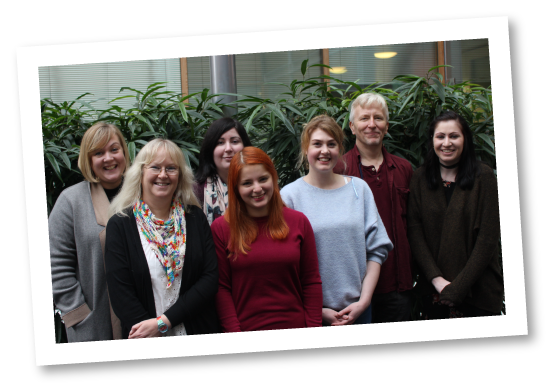
The Human Flourishing Project provides FREE psychotherapy and counselling to adults and young people in Nottingham who are over 18 years old. We are an independent and self-funded clinic with research links with the University of Nottingham. The data we collect at the clinic through confidential questionnaires and from clients who agree to audio recordings of their sessions provide valuable resources for research into the therapeutic process.
Our therapy is provided by both qualified therapists and therapists currently training at the University and all our therapists receive supervision in accordance with British Association for Counselling and Psychotherapy requirements. We may also be able to provide therapy in languages other than English, depending on the availability of our international students.
We offer up to forty sessions of person-centred experiential therapy to our clients. Each session lasts for 50 minutes and will typically be offered as weekly sessions. Sessions are held in our counselling rooms in University Park Campus.
To access our service please visit the contact page for full details. Once you have joined the waiting list, an intake assessor will get in touch when availability allows. They will introduce the service and ask you a few questions to better understand your background and needs, and to assess whether our services are suitable for you. If you decide to proceed, you will also be invited to fill out some initial research questionnaires. Unfortunately, we are unable to offer therapy to staff or students at the University of Nottingham.
When we work we always aim to:
- maintain confidentiality
- care and respect individuals
- respect the rights of our clients
- empower our clients to achieve growth
- work as an independent service
- work collaboratively when requested
Frequently Asked Questions
What is Person-Centred Experiential Therapy?
Person-centred experiential therapy aims to promote personal growth and development. It is a talking therapy that enables clients to develop their understanding of their problems. This is achieved by providing a non-judgemental, safe environment that is centred on trust and respect for our clients.
Do I need to disclose big issues in the first session?
You are not required to share all of your personal issues at your first session, nor should you. Very often, the beginning phase of therapy is about building a trusting therapeutic relationship in which you are free to share things at your own rate in a way that feels comfortable for you. Your therapist will do their best to help you to look at your issues and address those experiences. Talking about these things may take time, and will not necessarily all be included in one session.
What if I don't feel comfortable with my therapist?
We understand that not everyone is going to be a match and it is important to us that you are comfortable with your therapist. All our therapists should provide a good standard of care for you, which includes being aware of their own training, experience and limitations and referring you on to other therapists when appropriate if they feel unable to assist you. Please feel free to empower yourself to ask your therapist questions and voice any concerns that you have about your treatment.
Will my personal information be kept confidential?
Confidentiality and trust is an essential part of psychotherapy, and all of our client information is confidential. Client information is stored securely on password-protected computers and in locked filing cabinets within locked rooms. Digital records are kept in a secure system that requires extra steps to log in, helping ensure only authorised people can access the data. Personal information that could identify a client is stored separately from any notes or research data. Each client is assigned a code number, so the information cannot be linked back to them directly. Access to any part of the system is carefully managed based on the person’s role.
However, confidentiality is not absolute, and there are exceptions. Sometimes, in the public interest, counsellors may need to make a referral to an agency or organisation (for example GP, police or social services) when there is a serious risk of imminent harm to their clients or to others, for example where a client is seriously distressed and needs hospitalisation, or in cases of child or elder abuse. These referrals are usually (but not always) made with the client’s knowledge and consent. This decision will depend on the particular circumstances of each client. You and your therapist should talk together in their first session and reach agreement about the limits of confidentiality for your work together. However, after discussion with your therapist, you should be clear about what information may need to be shared and with whom it may be shared.